Fake Online Pharmacies
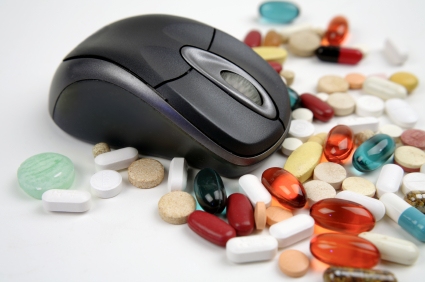
Most of the fake online pharmacies are simply fronts for stealing your credit card details or loading malicious software [spyware or key-loggers] onto your computer.
Medical scammers often target people who are overweight or have serious conditions which have no cures, including multiple sclerosis, diabetes, Alzheimer's disease, cancer, HIV and AIDS, and arthritis.
They usually offer either very cheap drugs, or drugs without a prescription from your physician.
If the website does actually send you the drugs you ordered, you may receive drugs that are past their use-by date, counterfeit drugs, lower strength drugs, aren't safe to use with other medicines or products you use, have dangerous ingredients, aren't FDA approved, aren't made using safe standards or drugs that will be dangerous to your health.
There are legitimate online pharmacies, however they will have their full contact details listed, and will require a prescription before they will send you any prescription drugs.
Red Flags of Fake Online Pharmacies
Most people will find out about fake online pharmacies through receiving unsolicited email offering cheap or hard to get pills or treatments.
Some warning signs to watch for include;
- The email you receive is unsolicited [spam] typically promoting well known drugs like Viagra or Prozac
- The subject of the email is unrelated to the products offered
- Some words in the email have spaces or are spelled incorrectly to try to avoid spam filters
- It offers prices that are dramatically lower than the competition
- It offers to sell you prescription drugs without a prescription [which is against the law]
- The website will sell you drugs that you would normally require a prescription, even if you don't have one
- The website doesn't have a street address or a landline telephone number
- The website name in the address bar on your browser is complex
- The delivery time is 5-6 weeks
Protect Yourself from Fake Online Pharmacies
- Don't open suspicious or spam emails
- Don't click on any links in a spam email
- Don't open any files attached to spam email
- Don't click on any links in spam email
- Don't call a telephone number in spam email
- Don't enter you credit card or account information unless you are sure the website is genuine
- Check the website address carefully in your address bar as scammers set up fake websites with similar web addresses to the genuine ones
-
Make sure the website wont sell your personal
information, unless you agree
If You Think it is a Fake Online Pharmacy
- Check with the Better Business Bureau or local attorneys generals' offices to see whether other consumers have lodged complaints about the product or the product's marketer
- Contact the FDA office closest to you. Look for the number and address in the blue pages of the phone book under U.S. Government, Health and Human Services, or go to the link fake online pharmacies on the FDA Website. FDA can tell you whether the agency has taken action against the product or its marketer
- Report unsafe or suspicious sites to FDA by going to this FDA link and clicking on 'Report problem Web sites'
- Another way to check on a Web site is to look for the National Association of Boards of Pharmacy's (NABP) Verified Internet Pharmacy Practice Sites™ Seal, also known as VIPPS® Seal. This seal means that the Internet pharmacy is safe to use because it has met state licensure requirements, as well as other NABP criteria. Legitimate pharmacies that carry the VIPPS® seal are listed at www.vipps.info
-
Other FDA information which may be of help to you:
Combating Counterfeit Drugs
Consumer Education: Generic Drugs
How to Evaluate Health Information on the Internet
- Home ›
- Medical Scams ›
- Fake Online Pharmacies