Check Overpayment Scams
Check overpayment scams occur when you receive a check for more that the amount you were expecting, and are asked to wire the excess back.
Often you are selling something online and you get a response from a prospective buyer who offers to pay with a cashier's check, personal or corporate check.
Then at the last minute, the buyer or their agent comes up with a reason for writing the check for more than the purchase price.
You are asked to wire back the difference after you deposit the check.
The checks are counterfeits and if you deposit them, they will temporarily boost your bank balance.
When the check eventually bounces [which may take weeks], you are liable for the full amount.
How Do the Check Overpayment Scams Work?
These scams mainly target people selling expensive items online, classified ads or using auctions or perhaps taxes or fees for a foreign lottery win.
The reasons for the overpayment can vary from making a mistake writing the check out, extra money to cover the fees of an agent [accomplice], or fees for shipping to be paid to a shipping company [accomplice].
A variation is when you may have accepted a job online as a financial representative for an international company who wants you to process their local sales checks. When you deposit a check into your account, you are asked to wire the amount to the overseas company, less your commission for processing the check.
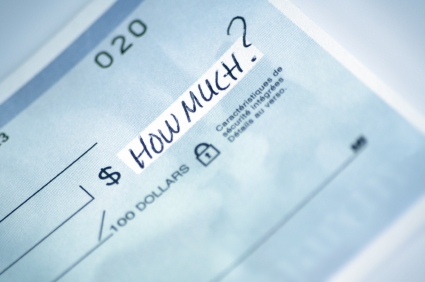
If you wire the money to the scammer, you will not only lose your money, you will lose any item you are selling as well.
Regardless of the reason, any check overpayment scam ends the same way – with a request for you to wire money back. Their goal is to receive the money from you, before you find out the check is counterfeit.
How to Avoid the Scams
The FTC provides the following advise to avoid the check overpayment scams:
- Know who you are dealing with - independently confirm your buyer's name, street address, and telephone number
- Never accept a check for more than your selling price. If the buyer sends the incorrect amount, return the check and don't send the merchandise
- Never agree to wire back funds to a buyer - a legitimate buyer will not pressure you to do so, and you have limited recourse if there is a problem with a wire transfer
- Resist pressure to 'act now'. If the buyer's offer is good now, it should be good when the check clears
- If you accept payment by check drawn on a local bank or a bank with a local branch, you can visit that branch to determine if the check is genuine. If that's not possible, call the bank the check was drawn on using the phone number from directory assistance or an Internet site that you know and trust, not from the person who gave you the check. Ask if the check is valid
- Don't process financial transactions for any company or stranger through your personal accounts
- Consider an alternative method of payment such as an escrow service or online payment service. If the buyer wants to use a service you have not heard of, be sure to check it out to be sure it is reliable. Check its web site, call its customer service hotline, and read its terms of agreement and privacy policy. If you do not feel comfortable with the service, don't use it
What to do for if You are a Victim
If you have been a victim of a check overpayment scam you should file a
complaint with the FTC at
www.ftc.gov.
For more information on buying or selling goods on Internet auction sites, see the FTC articles: consumer.ftc.gov.
Forward check overpayment scams can also be forwarded to spam@uce.gov and your state Attorney General. You can find contact information for your state Attorney General at www.naag.org.
- Home ›
- Bank Scams ›
- Check Overpayment Scams